Before rice reaches your table, before it becomes the soft white grains in your bowl or the aromatic base of your favourite dish, it begins its journey in the fields. For thousands of years, rice cultivation has shaped landscapes, cultures, and communities. It is not just a crop—it is a way of life.
The Farmer’s Dawn
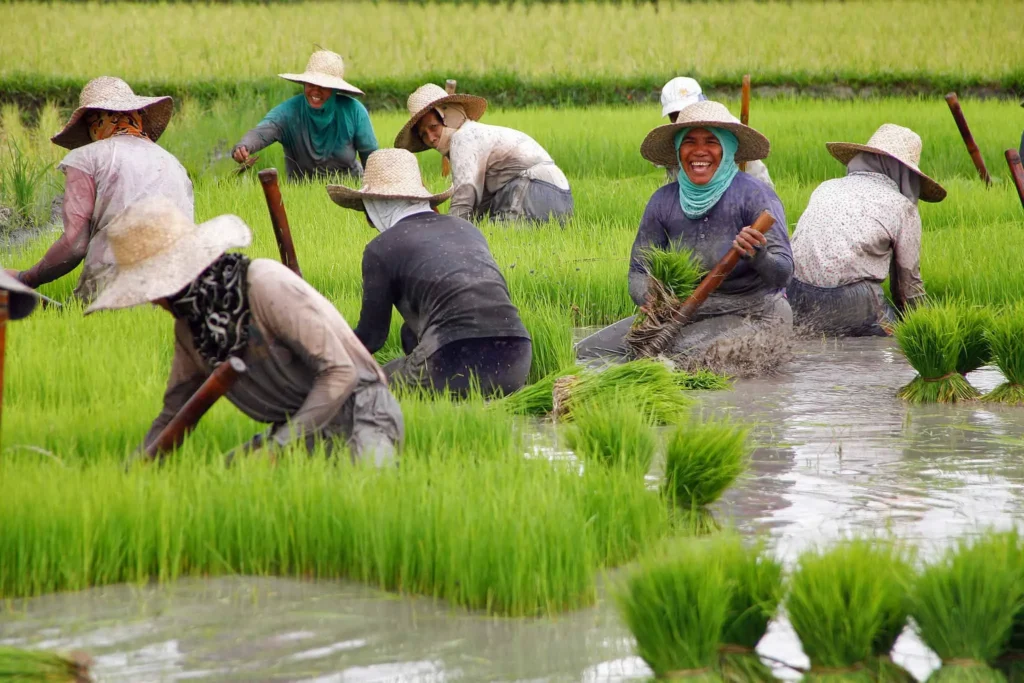
For rice farmers, the day begins with the first light of the sun. Long before the world wakes up, they are already tending to the land. The preparation of the rice field is a careful process. Fields must be leveled, soil softened, and water managed to create the perfect environment for rice seedlings. In many parts of the world, this tradition is still done by hand, with farmers relying on skills passed down from their ancestors.
Planting the Seeds of Life
Once the land is prepared, seeds are planted. In certain areas, young plants are first grown in a nursery before being moved to flooded fields. The image of farmers kneeling in long lines, carefully placing seedlings in straight rows, is a familiar scene in many Asian countries. Though the task is demanding, it holds deep significance. Each seedling placed in the soil represents sustenance, hope, and a means of livelihood.
The Role of Water
Rice is special because it needs water to grow. The flooded fields. The fields you see are not merely for appearance—they are essential for managing weeds, controlling temperature, and shielding young plants. Armers keep a close watch on the water level, understanding that too much or too little can be harmful to the crop. Maintaining this balance requires both effort and respect for nature. In many communities, water and rice are seen as symbols of harmony,
More Than Farming.
Rice fields are not just places for growing food—they are living ecosystems. Some regions, farmers even raise fish in their paddies, offering extra food and income while keeping the natural environment in check. For farming families, the rice field is also a place of learning .Children grow up watching their parents work, absorbing lessons about discipline, patience, and respect for the land. Ile harvests come and go, these lessons last a lifetime.
A Legacy of Generations.
Rice farming is an ancient practice, with origins stretching back thousands of years. If the tools may have changed—modern machines now replace water buffalo—the core of the tradition remains. It is a story of people and the land, connected in a cycle of giving and receiving. The bowl of rice you eat carries this history.It is not just the result of soil and water, but of effort, tradition, and care. Next time you take a bite, remember the farmers who started their work at dawn, tending to each seed with hope for the future.
Part 2: Harvest & Milling — Turning Fields into Food
When the rice fields turn from green to a sea of golden stalks swaying in the wind, it marks one of the most important moments in the journey of rice—harvest. This stage is not only about gathering crops but also about celebrating the hard work, patience, and care that farmers have invested for months. Harvest is the bridge between the quiet beauty of the fields and the nourishing meals that sustain us every day.
The Golden Season
Rice takes about three to six months to grow, depending on the variety and climate. When the plants are ready, the grains change colour from pale green to golden brown, and the fields glow under the sun. In many regions, harvest time is more than work—it is a festival. Amilies and communities come together, sometimes singing songs and performing rituals to give thanks for the abundance of the land. He air is filled with joy, because harvest means food, income, and security for the coming months.
Gathering the Grains
Traditionally, farmers harvested rice by hand, using sickles to cut stalks and tying them into bundles. it allows farmers to handle each bundle with care. These machines can cut, thresh, and clean the rice in one step, making the work faster and more efficient. Whether done by hand or machine, the goal is the same: to gather every precious grain without loss.
Drying and Storing
Freshly harvested rice is still moist and needs to be dried before storage. Rmers spread the grains out in the sun, often on mats or large courtyards, turning them regularly to ensure even drying. In larger operations, drying machines are used to control moisture levels precisely. Roper drying is critical because it prevents mold, pests, and spoilage. Every grain saved means more food on the table and more strength for tomorrow’s work.
The Milling Process
After drying, rice goes to the mill, where it is transformed into the grains we recognize in our kitchens. The process begins with husking, where the hard outer shell of the rice grain (called the husk) is removed. S produces brown rice, which is rich in fibre and nutrients because it still contains the bran layer. The rice has a softer texture and cooks faster, making it a favourite in many households.
Fromm Local Mills to Global Markets.
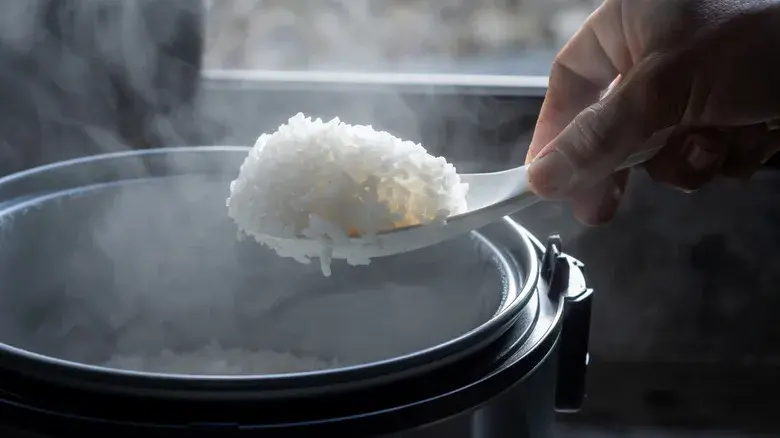
Once milled, rice is packaged and distributed. Travel across oceans, becoming part of dishes in countries far from where it was grown. Journey connects farmers in rural fields to workers in cities, students in classrooms, and families gathering around dinner tables. May change form along the way—steamed in a lunchbox, stir-fried in a wok, baked into a pudding—but its role remains the same: to provide nourishment and comfort.
Harvest as a Celebration of Effort.
Behind every bowl of rice is a story of transformation. The golden fields to the hum of the mill, rice passes through many caring hands. Harvest is more than an agricultural event—it is a reminder of the resilience and dedication of farmers, who trust the land and weather with hope for each season. Next time you scoop a spoonful of rice onto your plate, remember that it is not just a simple grain. It is a whole grain. The result of months of labour, tradition, and care, all working together to bring food from the field to your home.
Part 3: From Local Hands to Global Tables
Rice may begin its life in quiet fields, but its journey does not end with harvest and milling. From that point on, rice becomes a traveller. It moves Es from villages to towns, from local markets to international ports, and from family kitchens to restaurant tables across the globe. Art of the Journey tells the story of how rice leaves the hands of the farmer and becomes a staple on tables worldwide.
The Local Market
For many farmers, the first step after milling is to bring rice to local markets. Arkets are more than places of trade—they are cultural gatherings. often return to the same vendors year after year, confident in the quality and care behind each grain. Cal exchange keeps traditions alive and ensures that farming communities remain connected to the people they feed.
Distribution and Trade
Beyond the local markets, rice moves into broader supply networks. Trucks transport it to storage facilities, retail shops, and large grocery stores. In rural areas, this means that families can obtain rice although they are not close to farmland. In urban areas, it ensures that millions of people have a regular supply of rice, which is key to their daily meals.
From Farmer to Family Table:
it is easy to overlook the long journey rice takes when we open a bag at home or order it at a restaurant. Yet every grain has a story—of a farmer who planted it, a worker who processed it, a driver who transported it, and a cook who prepared it. This chain of effort may not be visible, but it is essential, connecting many hands across borders and cultures.
More Than Food—A Shared Experience
In today’s fast-paced world, rice remains a steady presence. It appears in a child’s lunchbox, a worker’s midday meal, and a family’s evening dinner. It is found in both simple street food and high-end restaurant menus. Its journey from local farms to global tables shows not only the importance of farming but also how deeply connected our lives are. The next time you sit down to eat rice—whether in a home-cooked meal or a special dish—remember it is more than just food. It is a story that began in a farmer’s field, travelled across towns and oceans, and now sits on your table. It is a story that connects us all, one grain at a time.
Part 4: Rice at Work — Energy for Everyday Life.
Rice is not just a crop grown with care or a product sold around the world—it is also the food that fuels our daily lives. From breakfast in the countryside to packed lunches in busy cities, rice provides the energy that workers, students, and families need to get through their day. It is simple, adaptable, and dependable—qualities that make it a true companion in everyday life.
Rice as Everyday Fuel:
Rice is rich in carbohydrates, the body’s main source of energy. Unlike sugary snacks that give a quick but temporary burst, rice offers steady energy that lasts for hours. That is why it is often a key part of meals in cultures where people work long hours in the fields, factories, or offices. For students, rice helps maintain focus during long study sessions. For laborers, it provides strength for physical tasks. In every case, rice supports both the body and the mind.
Rice in the Modern Workday
In today’s fast-paced lifestyle, rice continues to be a favourite because it is easy and quick to prepare. Pre-cooked rice packs, rice bowls, and take-out meals make it possible for people with busy schedules to enjoy a healthy meal. Whether it is in a lunchbox for school or a microwave meal at work, rice fits seamlessly into modern routines. Meanwhile, health-conscious individuals are choosing whole-grain options like brown rice, red rice, and black rice, which offer more fibre and nutrients.
A Grain That Works as Hard as You Do
As we come to the final chapter in the journey of rice, one truth stands out: rice is more than food. It is a reflection of effort, resilience, and community. From the farmer’s dawn to the worker’s lunch break, rice is there at every step, working as hard as the people it nourishes.
Honouring the Farmers
Every grain of rice begins with a farmer’s dedication. These men and women spend months caring for their fields, often in challenging conditions, to ensure that the crop thrives. Their work is a reminder of the unseen hands that make our meals possible. eat rice is to share in their effort and to honour their commitment.
The Workers Behind the Grain
Beyond the fields, countless workers are part of rice’s journey—millers who polish the grains, drivers who transport it, sellers who bring it to markets, and cooks who transform it into meals. Each person adds their labour and care, turning rice into the everyday staple we depend on.
Rice as a Global Connector.
Rice also works hard in another way—it connects us. Oss borders and cultures, rice is a shared experience. There it is following rice in West Africa, NASA Goren in Indonesia, or risotto in Italy; rice unites us in our humanity. Every corner of the world, people sit down to rice, proving that despite our differences, we share common needs and joys.
A Symbol of Strength and Resilience Rice’s journey mirrors our own. It star small, grows through challenges, and transforms into something nourishing and strong. For man., it symbolizes resilience—the ability to endure, adapt, and thrive. Makes rice not only a source of food but also a metaphor for life itself. More Than a Mea.l At the end of the day, rice is both ordinary and extraordinary.